Saturday August 13, 2016
Vidal, our home owner, also has a tourism business, so after making us breakfast, he took us on a tour of the Sacred Valley, highlighting the areas that we wanted to see. We squeezed into a 16 passenger van and left around 8:30.
According to Google, “the Sacred Valley is a region in Peru’s Andean highlands. Along with the nearby town of Cusco and the ancient city of Machu Picchu, it formed the heart of the Inca Empire. Stretching roughly 60 kilometers, it’s an area of fertile farmland and Spanish colonial villages like Pisac and Ollantaytambo.”
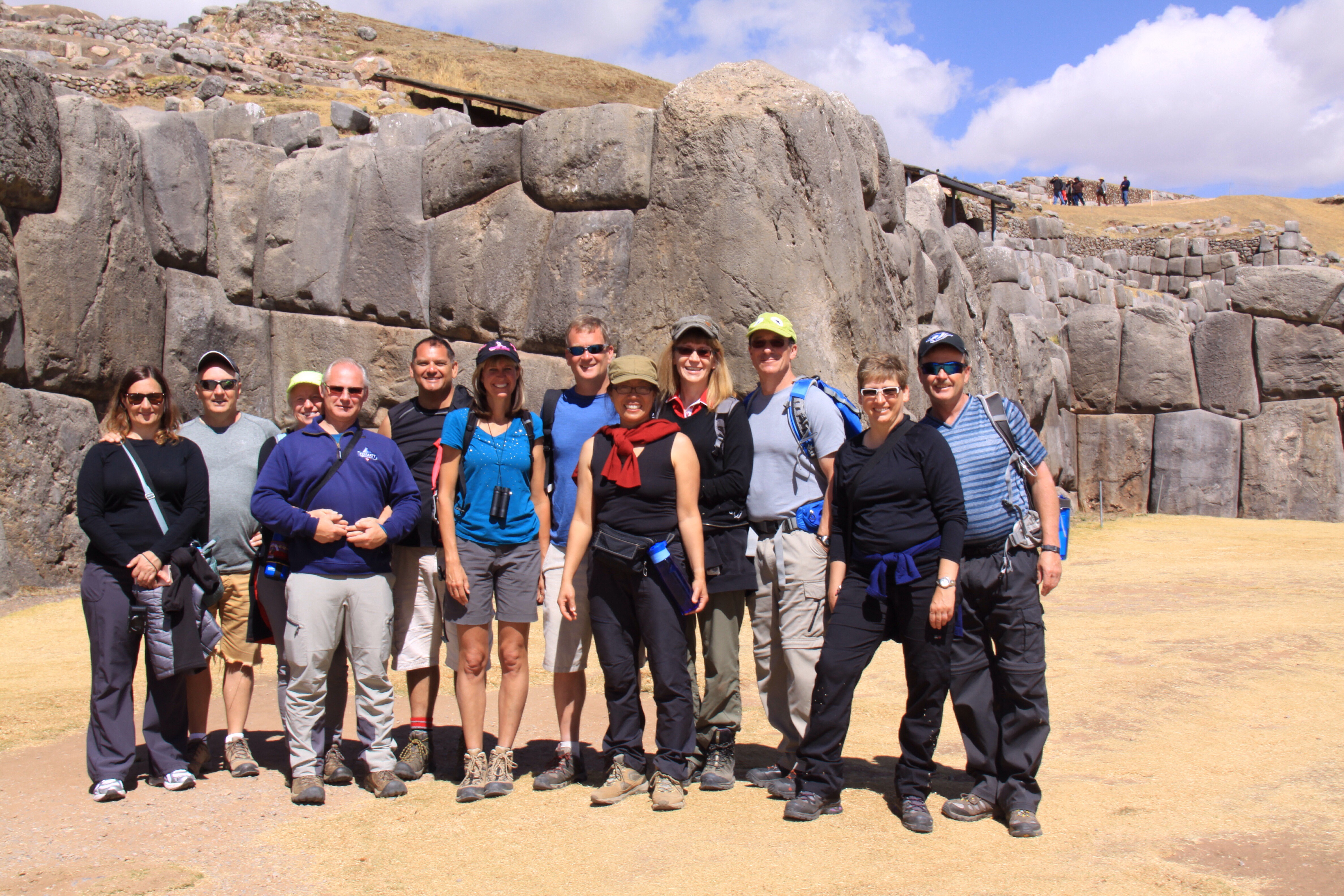
Our first stop was the Sacsayhuaman which is an archeological site just outside of Cuzco. It is a Quechuan word which means contented head, and if you see an overhead ancient Map of Cuzco, this area looks like the head of a Puma.
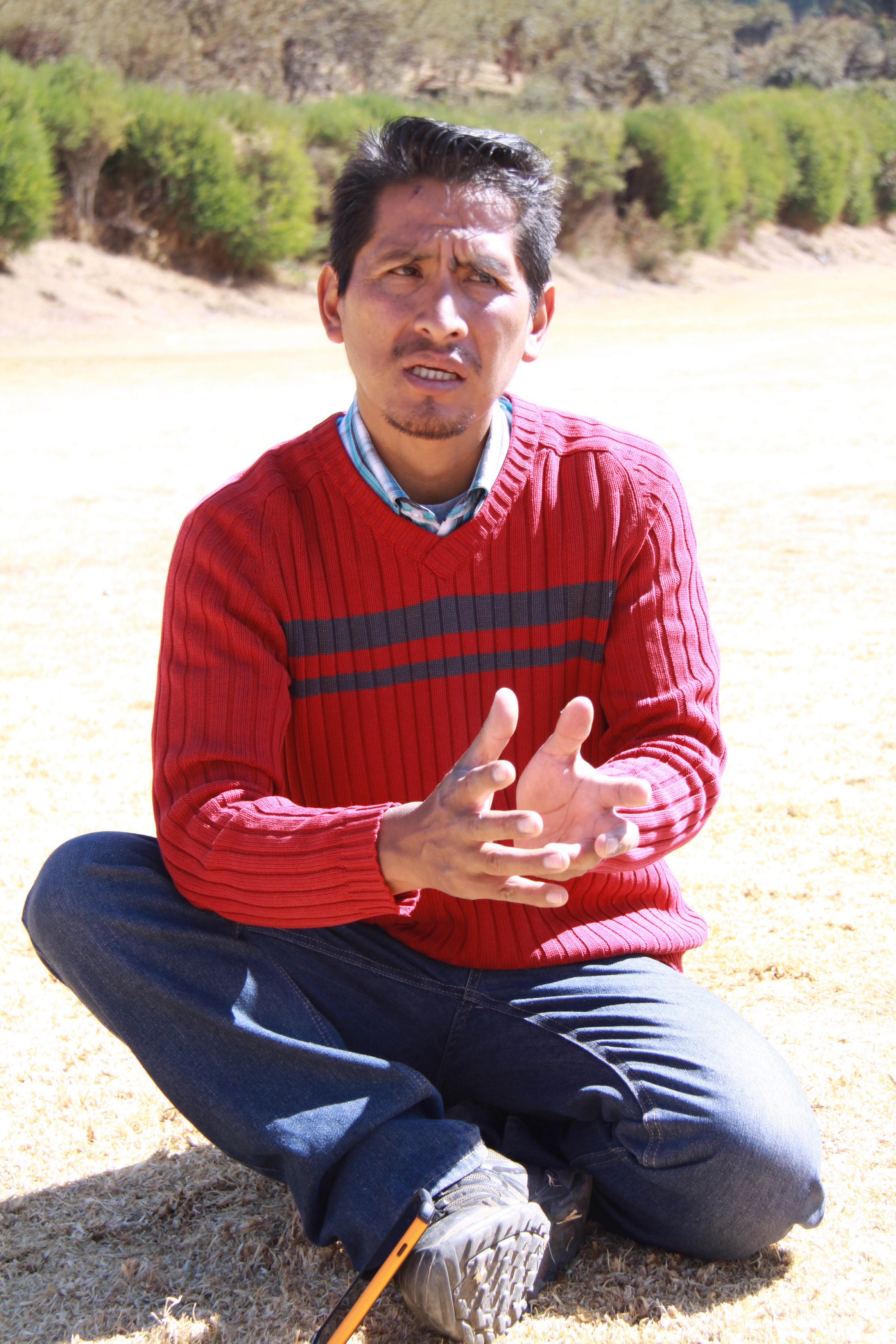
Vidal is a wealth of knowledge.
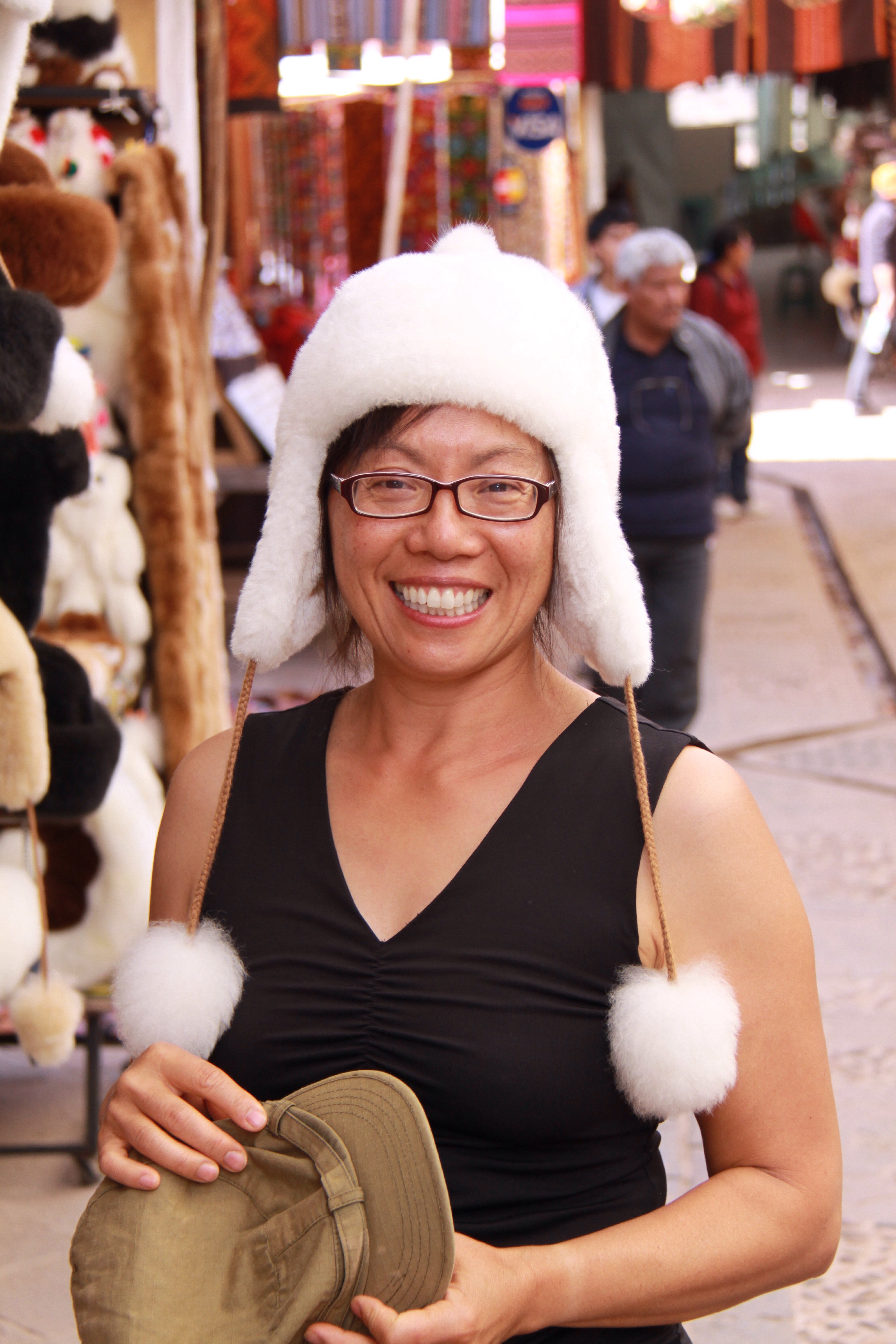
We visited the famous Pisac market where we had the chance to purchase Peruvian handicrafts or souvenirs and coca candies to help with altitude sickness. Feng is modeling the ever popular alpaca hat.
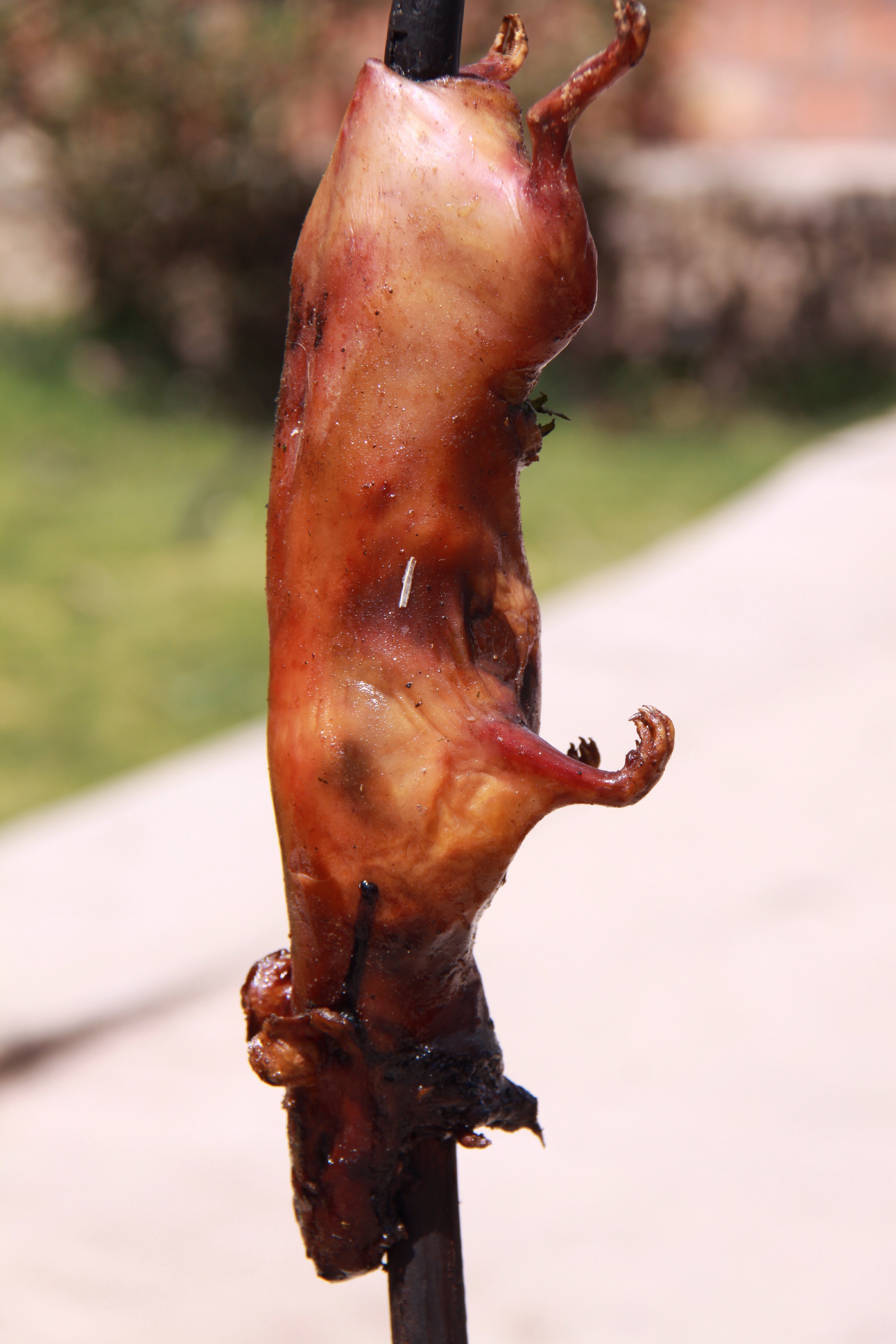
Vidal took us to a little village called Lanay where we had the chance to try BBQed Guinea pig. It had a unique taste and the texture was similar to pork with crispy skin.
After our tiny appetizer, we stopped in the village of Urubamba where Vidal purchased large round loaves of bread along with some Peruvian cheese and we had an impromptu road side lunch of sandwiches.
On to Maras where we visited an area where landowners collect salt from an ancient underground salt spring. The water is poured into various beds where dehydration takes place and salt is harvested.
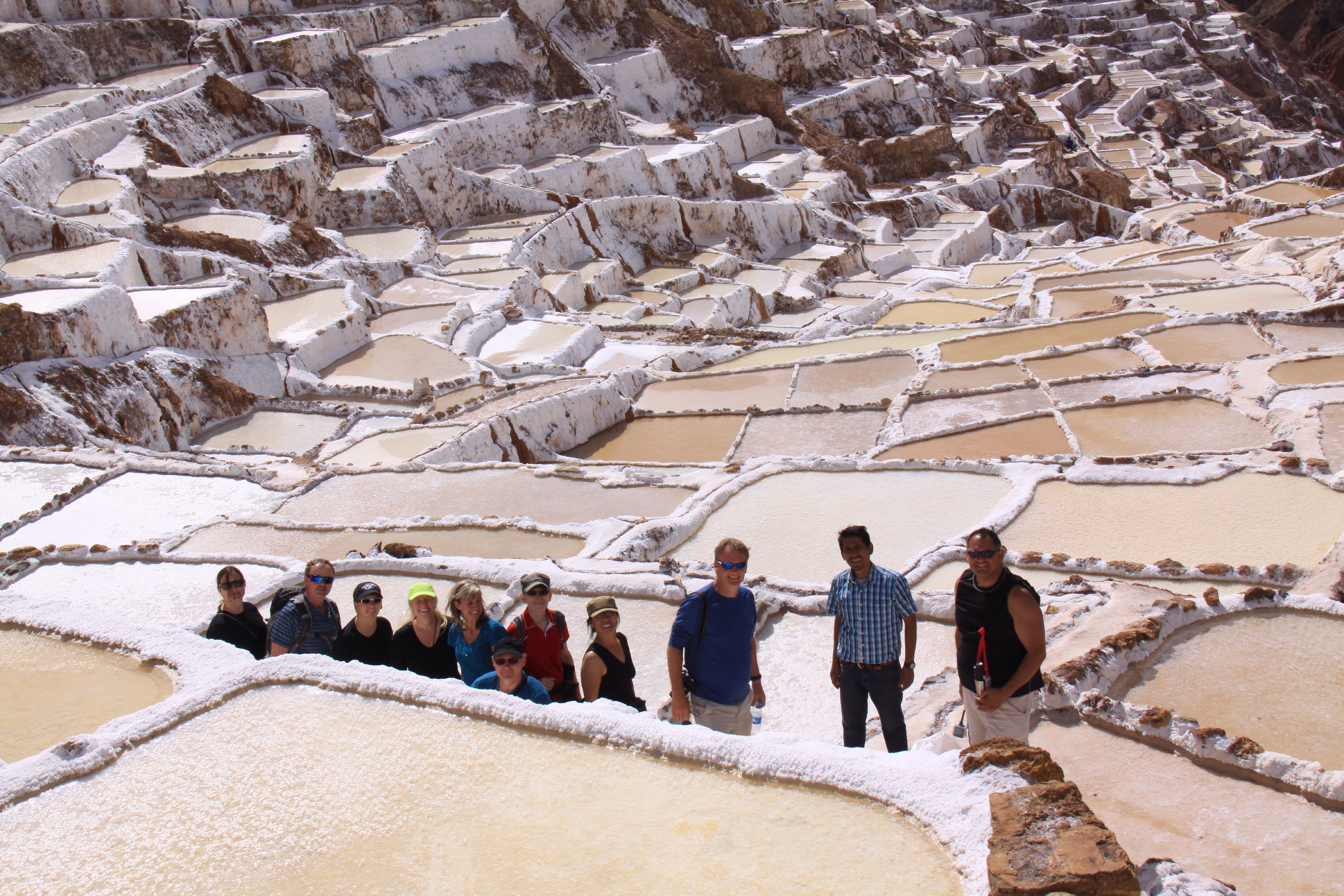
20 kg of salt is sold for 20 Peruvian soles ($8 Canadian). The road down into the salt mines was sketchy to say the least. Marcelo, our capable bus driver, drove in situations where I would have turned off the keys and climbed out of the van in tears. One time he had to back up the mountain with a sheer cliff on my side to let another vehicle pass, and as we went back down, I saw a tire tread 2 inches from the cliff edge. Gary told me it wasn’t ours, but I dare to differ.
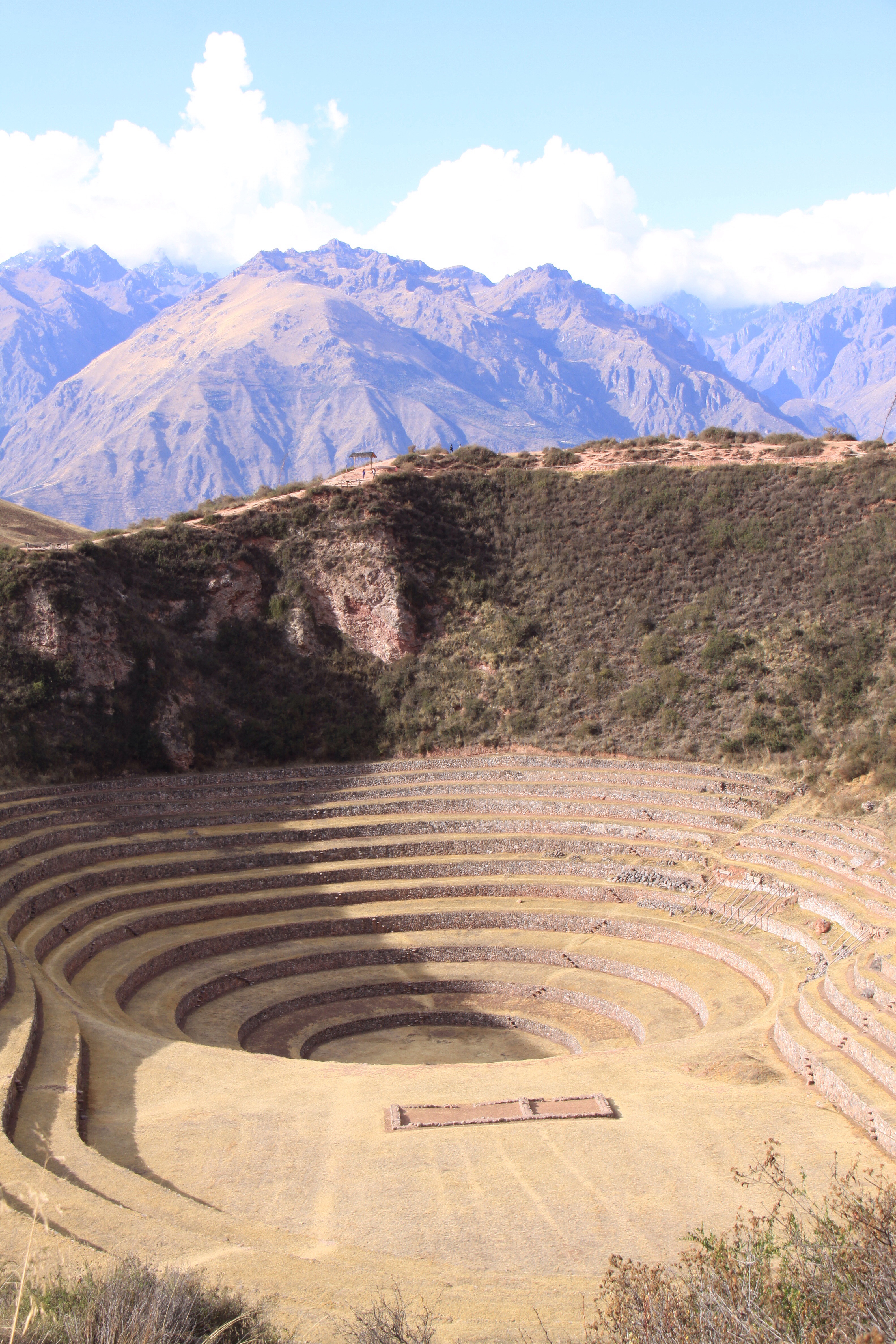
The scary road conditions continued as we had a tour of Moray, an Incan agricultural site. It was shaped like an amphitheater with various terraces. Our guide informed us that within the terraces were various microclimates. The Incans would take a wild plant and domesticate it to the various climate it needed to grow in by moving it up or down the terraces each year until it could grow in the desired location.
We headed back to Cuzco after a long day, and Marcelo navigated the traffic capably, though he took a few more risks than we would have! Vidal recommended a great pizza place for us to eat at. Ernesto and Pepe, our guides for the trail, met us and gave us last minute instructions.
Tomorrow we start to hike the Inca Trail!
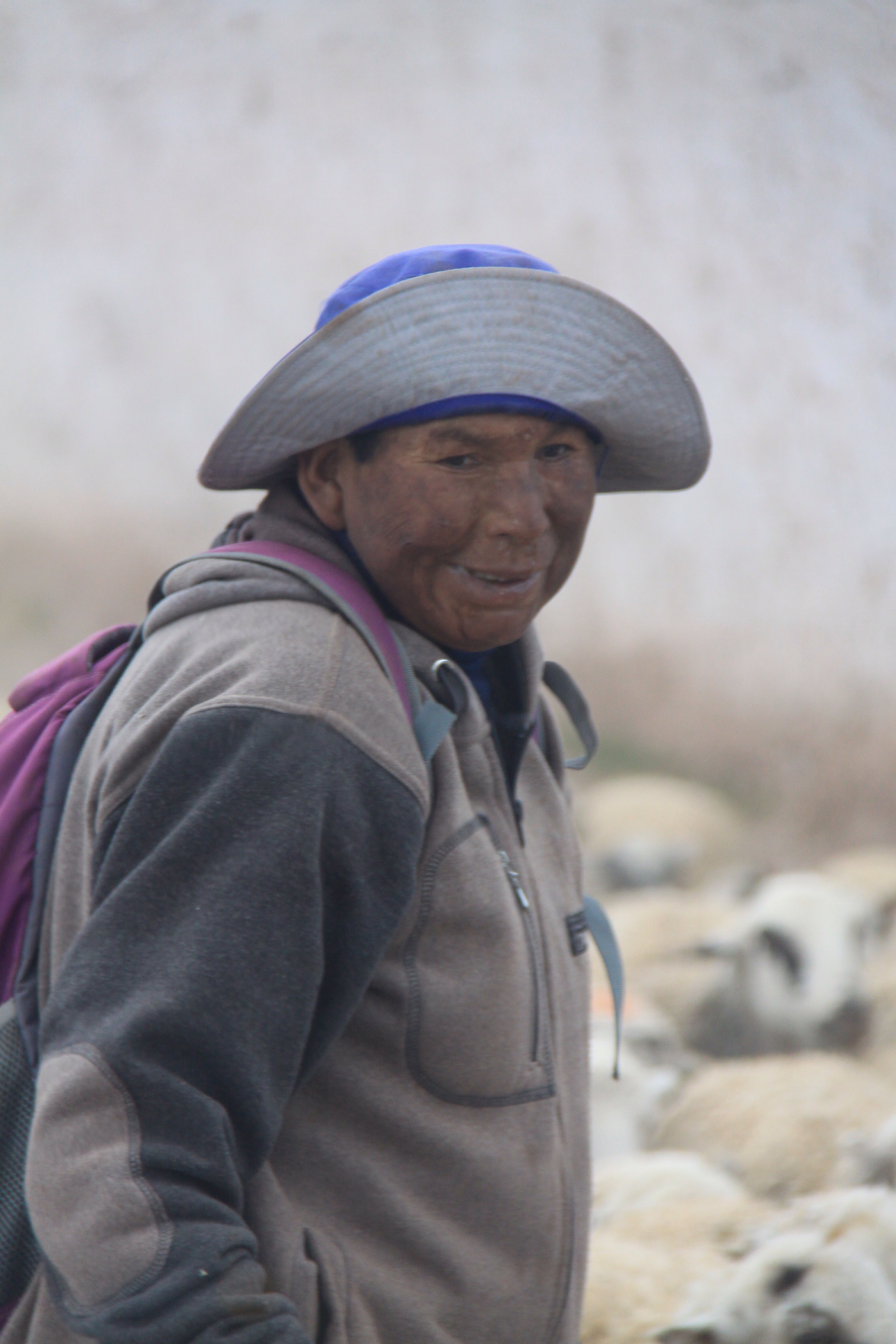
A Peruvian Shepherd


 garyandpearl
Leave a reply to garyandpearl Cancel reply